
Table of Contents
Toggle
OUR SERVICES
Search Engine Optimization (SEO)
Social Media Marketing (SMM)
Pay-Per-Click
Search Engine Optimization (SEO) is the process of improving your website to increase its visibility for relevant searches on search engines like Google. The goal is to drive high-quality, unpaid (“organic”) traffic to your site. Think of it as making your website the most helpful, credible, and user-friendly destination for anyone searching for topics related to your business.
In 2025, the game has evolved. SEO is no longer just about keywords and backlinks. It’s about a holistic approach that puts the user first, with the help of sophisticated AI.
Key Pillars of SEO in 2025
To rank on Google, especially in a dynamic market like India, you need to master three core pillars:
1. Technical SEO
This is the foundation of your website. It’s all about making sure search engines can easily crawl, understand, and index your site. Without a strong technical foundation, all your other efforts can go to waste.
Mobile-First Indexing: This is non-negotiable. Google primarily uses the mobile version of your website for ranking and indexing. Your site must be fast, responsive, and provide an excellent user experience on all devices.
Core Web Vitals: These are a set of metrics that measure user experience. They include:
Largest Contentful Paint (LCP): How fast your main content loads.
First Input Delay (FID): How quickly your site responds to a user’s first action.
Cumulative Layout Shift (CLS): How stable your page layout is as it loads.
Site Speed: A slow-loading site frustrates users and hurts your rankings. Compress images, minify code, and use a CDN (Content Delivery Network) to ensure your pages load in a flash.
Structured Data (Schema Markup): This is a type of code that helps search engines understand the content on your pages. It can lead to rich results like star ratings, FAQs, or product information appearing directly in the search results, which boosts your click-through rate.
2. On-Page SEO
This involves optimizing the content on your website to make it more relevant and valuable to both users and search engines.
Keyword Research & Intent: Don’t just target keywords with high search volume. Focus on “user intent”—what is the person really looking for? Are they looking for information (e.g., “what is SEO?”) or are they ready to buy (e.g., “digital marketing services India”)? Create content that perfectly matches that intent.
High-Quality, In-Depth Content: Google rewards content that is comprehensive, unique, and genuinely helpful. Instead of a short, generic blog post, create a “pillar page” that covers a topic in-depth (1,500-2,000+ words) and link to it from other related articles.
E-E-A-T (Experience, Expertise, Authoritativeness, Trustworthiness): As we’ve discussed, this is critical. Showcase your personal experience, list author bios with credentials, and back up your claims with data and credible sources.
Clear Headings and Structure: Use H1, H2, and H3 tags to organize your content. This makes it easy for both users and search engine crawlers to understand the hierarchy of your information.
Internal Linking: Link from your blog posts to your service pages and other relevant content. This helps search engines discover your pages and also passes authority throughout your site.
3. Off-Page SEO
This refers to all the activities you do outside your website to boost your rankings. It’s about building your website’s reputation and authority.
High-Quality Backlinks: When another reputable website links to you, it’s a vote of confidence. Focus on earning links from authoritative sites in your industry, not from spammy or low-quality sources. Guest blogging, creating shareable infographics, and building relationships with other professionals are all great ways to earn backlinks.
Social Signals: While not a direct ranking factor, social media engagement can lead to more visibility, which in turn can lead to more links and brand mentions.
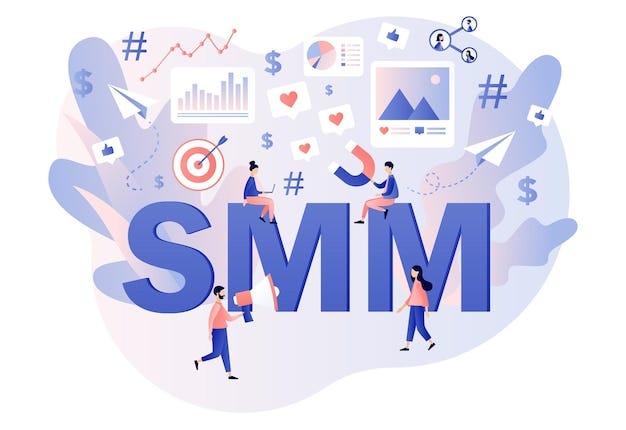
Social Media Marketing (SMM) is the process of building brand awareness, driving traffic, and generating leads by using social media platforms like Facebook, Instagram, LinkedIn, and X (formerly Twitter). It’s more than just posting; it’s about creating meaningful conversations and building a community around your brand.
In 2025, SMM is less about vanity metrics like “likes” and more about genuine engagement and tangible business results. The focus has shifted from broadcasting to building relationships.
Core Pillars of a Winning SMM Strategy
A successful SMM strategy in today’s market is built on these four key pillars:
1. The Right Platform, The Right Content
You don’t have to be on every social media channel. The key is to be where your target audience is and to create content that works for that specific platform.
Instagram & TikTok: These are the powerhouses for visual storytelling, especially in India’s youth-centric market. Use short-form video (Reels, Shorts) to showcase your brand’s personality, offer quick tips, or give a behind-the-scenes look.
LinkedIn: The go-to platform for B2B (Business-to-Business) marketing. Share case studies, industry insights, and professional achievements to establish yourself as a thought leader.
Facebook: Remains a strong platform for community building and targeted advertising. Use Facebook Groups to create a dedicated space for your brand’s followers.
X (formerly Twitter): Excellent for real-time engagement, customer service, and staying on top of trending topics.
2. Community & Conversation
The most valuable asset on social media is your community. Your goal should be to foster a sense of belonging and make your followers feel like they are part of your brand’s journey.
Engage with Comments: Don’t just post and forget. Actively reply to comments, answer questions, and thank people for their support.
User-Generated Content (UGC): Encourage your followers to create content related to your brand. Sharing their posts not only saves you time but also builds trust and makes them feel valued.
Run Polls & Ask Questions: Spark conversations by asking for your followers’ opinions. This shows you value their input and provides valuable market research.
3. Data-Driven Decisions
Don’t guess what your audience wants. Use analytics to understand what works and what doesn’t.
Track Your Metrics: Go beyond “likes” and measure metrics that matter to your business. This could include website traffic from social media, lead conversions, or customer service response times.
A/B Test Your Content: Experiment with different types of content, post timings, and headlines to see what gets the best engagement.
Listen to Your Audience: Use social listening tools to monitor conversations about your brand, your competitors, and your industry. This helps you identify new content opportunities and address customer concerns in real-time.
4. The Human Element
In a world of automated bots and generic content, authenticity is your superpower. Your social media presence should feel like it’s run by real people who genuinely care about their community.
Show Your Team: Feature your employees and their work. This puts a human face to your brand and builds trust.
Be Transparent: If you make a mistake, own it. A sincere apology or a transparent explanation can build more loyalty than a perfect, polished post.
Share Your Brand’s Story: People connect with stories. Talk about your brand’s mission, its challenges, and its victories. This narrative approach builds a stronger emotional connection with your audience.
By focusing on these pillars, your SMM strategy will not only increase your online visibility but also build a loyal, engaged community that drives long-term business growth.
PPC, or Pay-Per-Click, is a digital advertising model where advertisers pay a fee each time a user clicks on one of their ads. It’s a way of buying visits to your site rather than “earning” them organically. PPC campaigns are often run on search engines (like Google Ads and Microsoft Advertising) and social media platforms (like Facebook and Instagram) and are a powerful tool for driving immediate, targeted traffic and generating revenue.
How PPC Works
PPC is an auction-based system. When a user searches for a specific keyword or phrase, advertisers bid on the opportunity to have their ad displayed. The winner of the auction is determined by a combination of their bid amount, ad relevance, and the quality of their landing page. This ensures that only the most relevant and helpful ads appear at the top of the search results page.
Keywords: You select keywords relevant to your products or services.
Ad Copy: You create compelling ad copy that encourages users to click.
Bidding: You set a bid—the maximum amount you’re willing to pay per click.
Auction: The ad platform runs an auction, and the winning ads are displayed.
Payment: You only pay when a user clicks your ad.
Key Components of a Successful PPC Campaign
A successful PPC campaign requires more than just money. It demands a strategic approach to attract the right audience and maximize your Return on Investment (ROI).
Goal Setting & Audience Targeting: Before you spend a rupee, define your goals. Do you want to increase brand awareness, generate leads, or drive e-commerce sales? Your goals will determine which platforms you use and how you target your audience based on demographics, interests, and location.
Keyword Research: This is the bedrock of your campaign. Use tools to find keywords that your target audience is actively searching for. Focus on a mix of high-volume keywords and more specific, long-tail keywords with higher buying intent.
Ad Copy & Creative: Your ad is your first impression. Craft headlines and descriptions that are compelling, include a clear Call to Action (CTA), and directly address the user’s search query. For social media and display ads, compelling images and videos are crucial.
Landing Page Optimization: The work doesn’t stop with the click. Your ad’s landing page must be relevant, fast-loading, mobile-friendly, and easy to navigate. A poor landing page can waste your ad spend, as users will “bounce” without converting.
Bid Management & Optimization: Use automated bidding strategies like Google’s Smart Bidding to optimize bids in real-time. Continuously monitor your campaign’s performance, A/B test your ad copy, and adjust your keywords and targeting to improve your Quality Score and lower your cost per click.
PPC in 2025: Trends & AI’s Impact
PPC is rapidly evolving, with AI and automation at the forefront.
AI & Automation: Platforms are leveraging AI to automate bidding, audience targeting, and even ad creation. Google’s Performance Max campaigns, for example, use machine learning to serve ads across all of Google’s channels from a single campaign.
Shift to Visual & Video Ads: Short-form video ads on platforms like YouTube, Instagram Reels, and TikTok are driving high engagement and conversions.
Privacy-First Marketing: With the decline of third-party cookies, advertisers are increasingly relying on first-party data (data collected directly from your users) to build audience profiles and create hyper-targeted campaigns.
Voice Search Optimization: As more users rely on voice assistants, PPC campaigns must adapt to conversational, natural language search queries.
Content Marketing
Display advertising
Online Reputation Management (ORM)
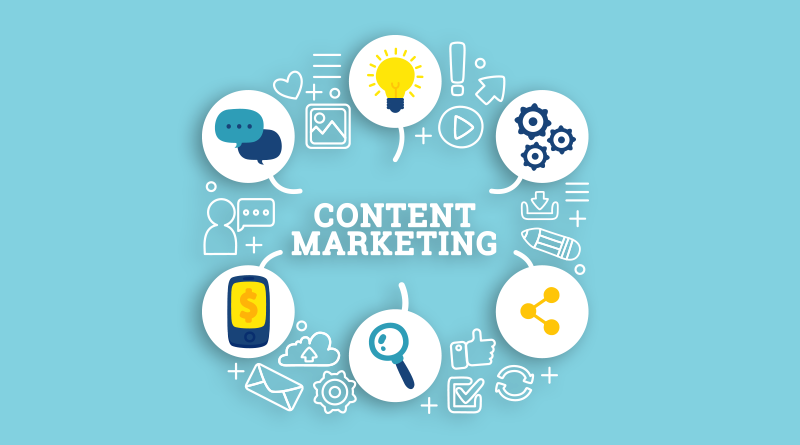
Content marketing is the strategic process of creating and distributing valuable, relevant, and consistent content to attract and retain a clearly defined audience—and, ultimately, to drive profitable customer action. It’s about building trust and authority by providing genuinely helpful information rather than just pushing products or services. In 2025, content marketing is more critical than ever due to the overwhelming volume of information online and the rise of AI-generated content.
Key Principles of Content Marketing in 2025
1. Quality Over Quantity
With so much content being produced, users and search engines are prioritizing quality. Creating a few in-depth, well-researched, and original pieces of content will yield better results than a high volume of generic, low-quality articles. This is directly tied to the E-E-A-T framework, as a focus on quality demonstrates expertise and experience.
2. The Rise of Video & Visuals
India is a mobile-first, video-first nation. Short-form video formats like Instagram Reels and YouTube Shorts are essential for reaching and engaging audiences. Long-form video on YouTube is also a key channel for building authority and providing in-depth information. Your content strategy must be a blend of written, video, and visual content to cater to different audience preferences.
3. Hyper-Personalization
Generic content is out; personalized experiences are in. Use data to segment your audience and create content tailored to their specific needs, interests, and stage in the customer journey. This can include anything from personalized email newsletters to dynamic website content that changes based on a user’s past behavior.
4. The Human Element & Authenticity
As AI becomes more prevalent, people are increasingly skeptical of content that feels “robotic.” Brands that showcase their human side—through personal stories, behind-the-scenes content, and genuine user-generated content (UGC)—will build stronger connections and trust with their audience.
Creating a Content Marketing Strategy
Define Your Audience and Goals: Start with a clear understanding of who you’re trying to reach (your buyer persona) and what you want to achieve (e.g., brand awareness, lead generation, customer loyalty).
Conduct a Content Audit: Review your existing content to identify what’s working and what’s not. Look for gaps and opportunities to update, repurpose, or combine existing content.
Plan Your Content: Create an editorial calendar that outlines your content topics, formats (blogs, videos, infographics), and distribution channels. This ensures a consistent flow of content.
Distribute and Amplify: Don’t just publish your content and hope for the best. Use your social media channels, email newsletters, and even paid ads to promote your content and get it in front of the right audience.
Measure and Refine: Use analytics to track your content’s performance. Monitor key metrics like website traffic, engagement rates, and conversions to understand your ROI and adjust your strategy accordingly.
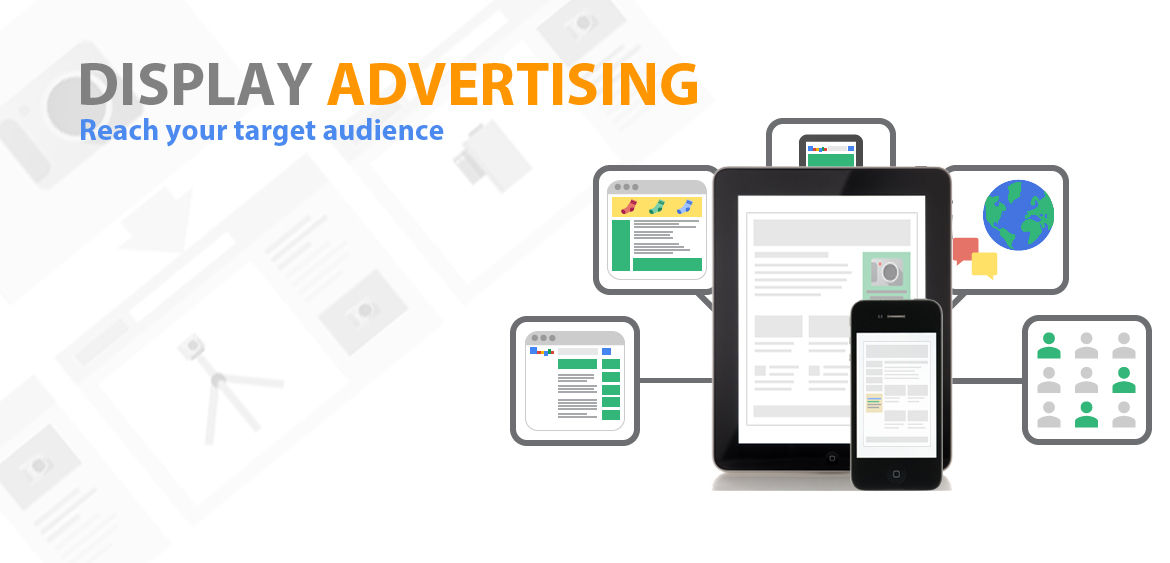
Display advertising is a type of online advertising that uses visual elements like images, videos, and animations to promote a brand or product on third-party websites and apps. Unlike search ads, which are a response to a user’s specific query, display ads are a form of outbound marketing, meaning they proactively show your ad to an audience as they browse content online.
Types of Display Ads
Display advertising has evolved far beyond simple banner ads. Today, there are a variety of formats designed to capture attention and engage users in different ways.
Banner Ads: These are the most common type of display ad, typically appearing as static or animated images in various standard sizes (e.g., leaderboards at the top of a page or skyscrapers on the side).
Responsive Display Ads: These ads automatically adjust their size, format, and appearance to fit different ad placements. You provide the ad platform with headlines, descriptions, images, and logos, and its machine learning system combines these assets to create the best-performing ad for each placement.
Rich Media Ads: These are interactive ads that incorporate dynamic elements like video, audio, or games. They are designed to encourage a higher level of user engagement and interaction.
Video Ads: These ads are specifically video-based and can appear before, during, or after video content on platforms like YouTube, or as standalone videos in feeds and on websites.
Native Ads: These ads are designed to blend in seamlessly with the surrounding content, matching the look and feel of the website or app they appear on. They are often labeled as “sponsored” or “promoted content” to maintain transparency.
Retargeting (Remarketing) Ads: This is a targeting strategy where display ads are shown to users who have previously visited your website or interacted with your brand. They serve as a reminder to encourage users to return and complete a conversion.
Benefits of Display Advertising
Display advertising is a powerful tool, particularly for building brand awareness and keeping your brand top of mind for potential customers who may not be actively searching for you.
Broad Reach & Brand Visibility: Display networks, like the Google Display Network, span millions of websites, allowing you to get your brand in front of a massive audience.
Precise Audience Targeting: You can target users based on demographics, interests, location, past behavior (retargeting), and even the context of the website they are on.
Visual Impact: Unlike text-based search ads, display ads allow you to use compelling visuals and creative storytelling to make an emotional connection with your audience.
Cost-Effectiveness: Display campaigns often have a lower cost-per-click (CPC) compared to other channels, making them a cost-effective way to build brand awareness and drive traffic.
Measurable Results: You can track key metrics like impressions, clicks, conversions, and Return on Ad Spend (ROAS) in real time to optimize your campaigns and prove their effectiveness.
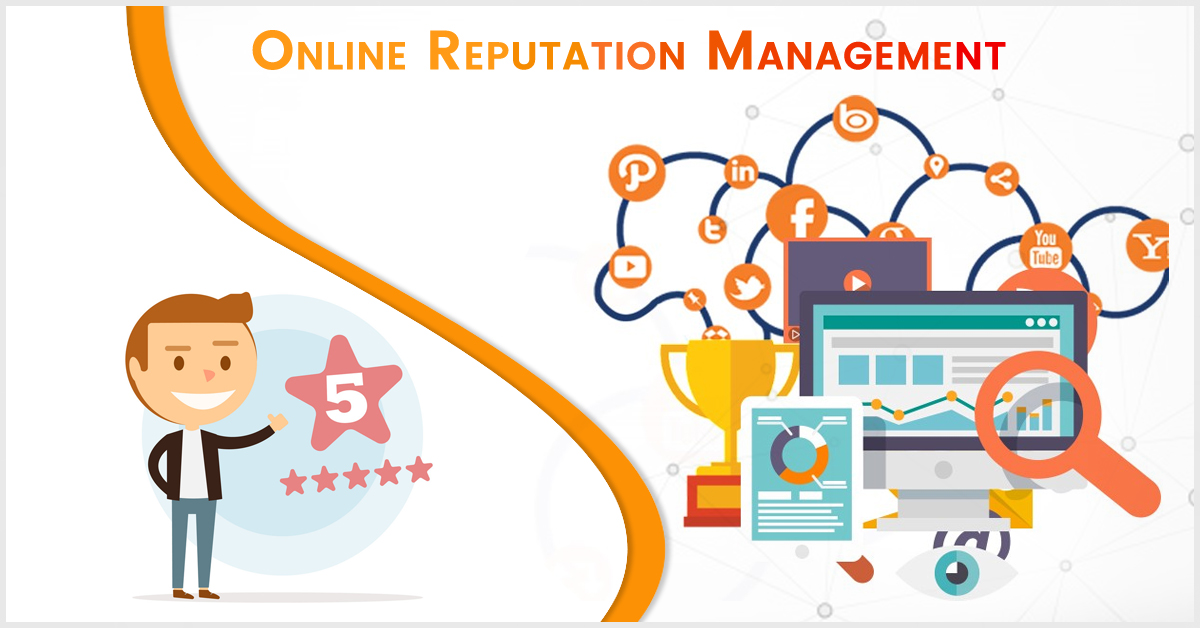
Online Reputation Management (ORM) is the practice of influencing and controlling the online perception of a brand, business, or individual. It involves a set of strategies and techniques designed to build, maintain, and protect a positive digital reputation. In 2025, ORM is more critical than ever, as online reviews, social media comments, and search engine results directly impact consumer trust and business success.
Key Pillars of a Modern ORM Strategy
A comprehensive ORM strategy is proactive, not just reactive. It requires continuous effort across multiple digital channels.
Review Management: This is the most direct way to influence your reputation. Encourage satisfied customers to leave positive reviews on platforms like Google, Yelp, and industry-specific sites. Crucially, you must also respond to all reviews, both positive and negative. A professional, solution-oriented response to a negative review can turn a dissatisfied customer into a brand advocate.
Social Media Monitoring: Social media is where brand conversations happen in real-time. Use social listening tools to track mentions of your brand, products, or key executives. Respond promptly to comments and messages, and address any negative feedback before it escalates into a larger issue. A consistent, engaging, and human-centric social presence is key to building a positive reputation.
Search Engine Management: The first page of Google is your digital storefront. ORM works hand-in-hand with SEO to ensure that positive, brand-owned content ranks highly for your brand name and related keywords. This includes:
Creating High-Quality Content: Publish valuable articles, blog posts, videos, and press releases that showcase your expertise and authority.
Optimizing Owned Profiles: Ensure your website, social media profiles, and local listings (like Google Business Profile) are fully optimized and consistent across all platforms.
Suppressing Negative Content: In a crisis, ORM strategies can help push down negative search results by creating a flood of new, positive, and authoritative content that outranks the negative sources
Licensed by Google
Crisis Management: No brand is immune to a crisis. An effective ORM strategy includes a pre-defined crisis communication plan. This plan should outline who responds, what to say, and which channels to use to mitigate damage and restore trust. The key is to be proactive, transparent, and empathetic.
Benefits of Strong ORM
Builds Trust and Credibility: A positive online reputation instills confidence in potential customers. A survey found that around 93% of customers read online reviews before making a purchase.
Increases Revenue: A strong reputation directly impacts your bottom line. Customers are more likely to choose a brand they trust, leading to increased conversions and sales.
Improves SEO: Positive content, reviews, and a strong online presence signal to search engines that your brand is trustworthy and authoritative, which can improve your organic search rankings.